

Attendance and Puctuality at Coleridge
We believe that working closely with families makes a real difference. We really appreciate your support in encouraging good habits at home as well as at school. Coming to school every day and arriving on time are an important part of this.
As parents, carers and staff, we all want the best for our children.
We want every child to:
- feel included
- feel confident
- feel like a valued member of their class and school community
Being in school every day and arriving on time helps make this happen. It helps children feel part of what’s going on, settle into routines, and start the day ready to learn.
Why Every Day Counts
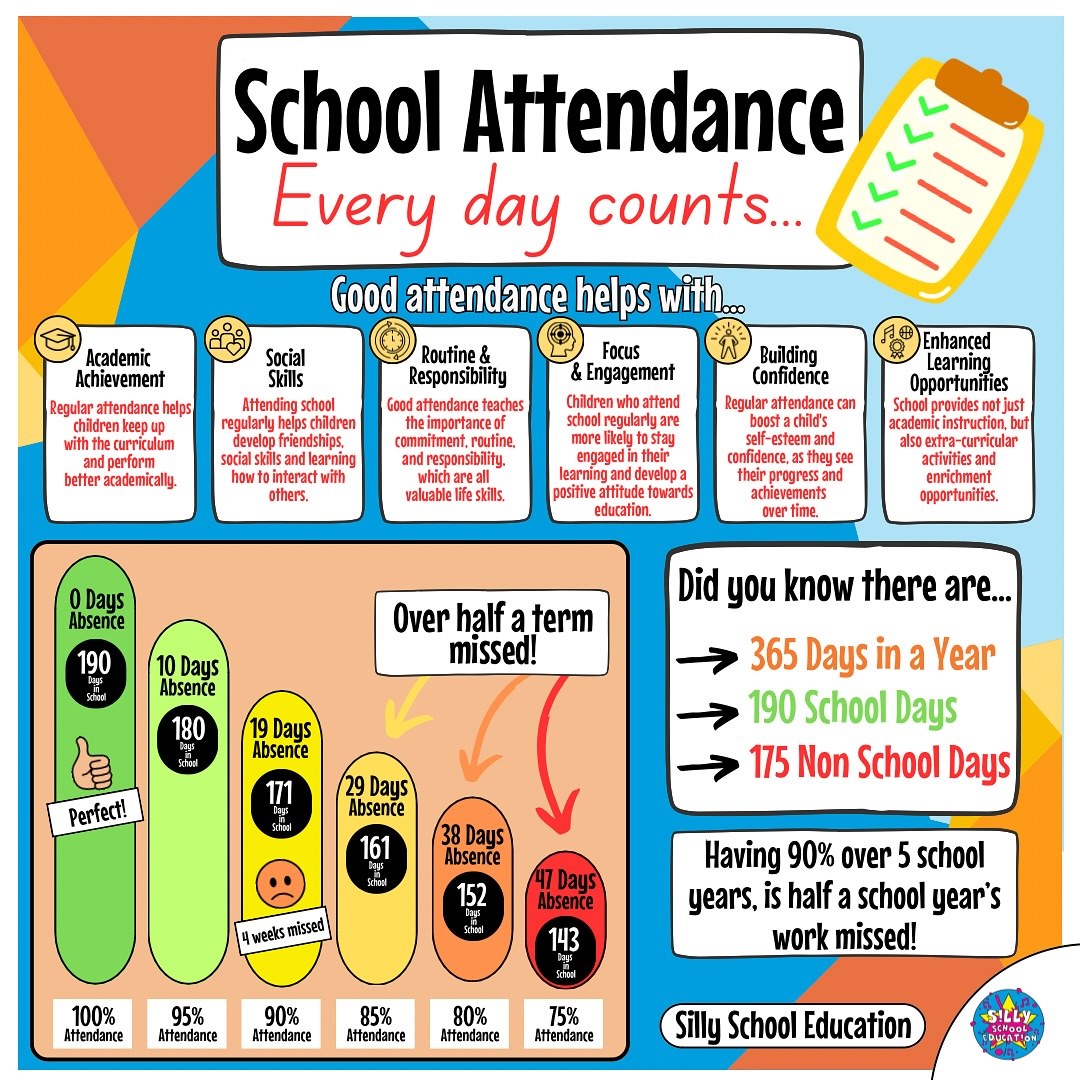
Coming to school every day really does make a difference to your child’s learning, wellbeing, and future success. The Department for Education (DfE) highlights that children who attend regularly are more likely to do well academically and build strong social skills.
It’s easy to think that a day here or there doesn’t matter, but it quickly adds up:
- 90% attendance means missing 1 day every 2 weeks
- Over the course of a year, that’s nearly 4 weeks of learning lost
At Coleridge, our curriculum is carefully planned so that learning builds step by step. When children are absent, they miss important parts of that sequence. This can make it harder to keep up and can sometimes affect their confidence.
Being in school every day helps children stay on track, feel more confident, and fully take part in their learning.
Why Attendance Matters
When children miss school regularly, it can have a real impact over time. It can lead to:
- Gaps in their learning
- Lower achievement
- A drop in confidence
- Difficulties keeping up with friendships
- Feeling less connected to school
Over time, children who miss school often can find learning more difficult and less enjoyable. Being in school every day really helps them feel settled, confident, and part of what’s going on.
Understanding Absence: What’s Authorised and What Isn’t
Guidance from the Department for Education helps schools decide whether an absence can be authorised or not.
Authorised absences are things like:
- when your child is genuinely unwell
- medical or dental appointments (where possible, these should be made outside school hours)
- exceptional circumstances that have been agreed with the school in advance
- absence for a recognised religious festival or day of observance. This usually applies to the day(s) of the festival itself, not additional travel time.
Unauthorised absences include:
- Holidays during term time (unless there are exceptional circumstances)
- Days out or celebrations
- Keeping your child at home without a clear reason
- Arriving late after the register has closed
We know that sometimes situations come up, but schools are required to follow national guidance when making these decisions, so we aren’t always able to approve every request.
The Importance of Being on Time
Being on time really helps children feel that their day has started well. For some children, it can make the difference between having a good day and a more challenging one.
Although the school day officially starts at 8:50 / 8:55, we ask that children arrive before this time, rather than at it.
This is because those first few minutes are really important. They give children a chance to:
- Come into school calmly
- Hang up their coats and bags
- Settle into the classroom
- Get ready for the day ahead
When children arrive right at 8:55, they often haven’t had time to do these things. This means they are going straight into lessons without feeling settled.
- They can feel rushed or anxious
- They miss that important settling-in time
- They have to join lessons after they have already started
- This can feel uncomfortable for them and can sometimes unsettle the class
Starting the day calmly and feeling prepared makes a big difference. It helps children feel confident, secure, and ready to learn, setting them up for a positive and successful day.
Building Good Habits for Life
Being on time is a really important life skill. By helping your child arrive on time each day, you’re supporting them to build positive habits that will stay with them as they grow.
You’re helping them to:
- Take responsibility
- Get into good daily routines
- Understand that being on time matters
These habits don’t just support them in school, they’re important for later life too. Whether it’s college, a job, or other commitments, being punctual is something that people notice and value.
Reporting Your Child’s Absence
If your child is going to be absent, it is really important that you let us know on the first day of their absence and give a reason.
If we don’t hear from you, our team will need to spend time calling parents and carers to check that children are safe. While this is an important part of our safeguarding duty, it does take up valuable time and resources for our admin team.
By letting us know as early as possible, you help us make sure everything runs smoothly and that all children are accounted for.
If you are planning a longer period of absence, we ask that you complete a request form in advance. This can be downloaded from the school website here.
Thank you for your support with this—it really does make a difference.
When Should You Keep Your Child Off School?
According to the NHS, children should only stay at home if they are too unwell to attend school.
Keep your child at home if they have:
- A high temperature
- Vomiting or diarrhoea (keep off for 48 hours after symptoms stop)
- A contagious illness (e.g. chickenpox, until spots have crusted over)
Children can attend school with:
- A mild cold
- A cough (without a fever)
- A sore throat (without a fever)
If you are unsure, please contact the school office for advice.
How We Support Attendance at Coleridge
At Coleridge, we keep a close eye on attendance and punctuality for all of our children. This is overseen by Tim Ibbotson, our Assistant Headteacher.
If we notice that attendance or punctuality is becoming a concern, we will get in touch with you. This is simply so we can understand what might be going on and see how we can help.
We know there is often a reason behind these things, and our approach is always to work together with families to find the best way forward.
This might include:
- Having a meeting about any challenges at home or school
- Supporting with routines
- Agreeing small, manageable steps to help improve attendance
The Department for Education (DfE) highlights how important it is for schools and families to work together. Research shows that this kind of partnership is one of the most effective ways to improve attendance over time.
By working together early on, we can help get things back on track quickly and make sure children feel happy, confident, and ready to be in school every day.
Working Together
We understand that there will be times when absence can’t be avoided, that’s part of life.
What really makes a difference is us working together to support your child so they can:
- Be in school as regularly as possible
- Arrive on time
- Feel included and part of their class each day
Thank you, as always, for your continued support. It really does make a difference in helping your child get the most out of their time at Coleridge.