Resilience is often described as the ability to “bounce back” when things go wrong, but for children it is much more than that. It is about learning how to cope with challenge, manage emotions, keep going when things feel difficult and believe that effort makes a difference. These are skills children develop over time, shaped by everyday experiences and the support of the adults around them.
When children feel resilient, they are better able to engage with learning, build positive relationships and maintain good emotional wellbeing. When they feel safe, understood and supported, they are more confident to try new things, take appropriate risks, challenge themselves both academically and socially, and cope when things do not go to plan.
At Coleridge, resilience sits at the heart of our work and is one of our five core values: caring, creative, aspirational, inclusive and resilient. These values guide how we support children’s behaviour, help them understand their feelings and create calm, purposeful classrooms where all children can thrive academically as well as emotionally.
We understand behaviour as a form of communication. When children find things difficult, our response is rooted in care, positivity, consistency and curiosity. By helping children to recognise and talk about their emotions, reflect on their choices and repair relationships, we support them to develop self-regulation and responsibility. This approach creates positive learning environments where children are able to focus, persevere and succeed.
We recognise that, as parents, it is completely natural to want to protect/shelter your child and step in when something feels unfair or upsetting. At the same time, part of developing resilience is learning how to manage small challenges independently and understanding the difference between a minor setback and a larger concern. In school, we actively support children to talk things through, problem-solve and repair situations, helping them build confidence in handling everyday difficulties.
Occasionally, feeling disappointed, unhappy or anxious is a normal part of childhood, and not every feeling needs fixing. Sometimes children simply need their emotions to be acknowledged and given space. In school, we help children think about the size of a problem so they can manage smaller worries independently, building resilience, perspective and self-belief. Allowing children the space to work through smaller issues can prevent them from feeling bigger than they need to and helps children develop confidence and self-belief. Please be reassured, however, that we will always support children when something is worrying, ongoing or serious, and we value working in partnership with families to help children grow into confident, resilient individuals.
Strong relationships are central to this work. Research shows that having at least one trusted adult is one of the most important protective factors in a child’s life. At Coleridge, we place great importance on knowing our children well and ensuring they feel a strong sense of belonging. When children feel included and valued, they are more likely to take risks, stretch themselves, ask for help and recover from setbacks.
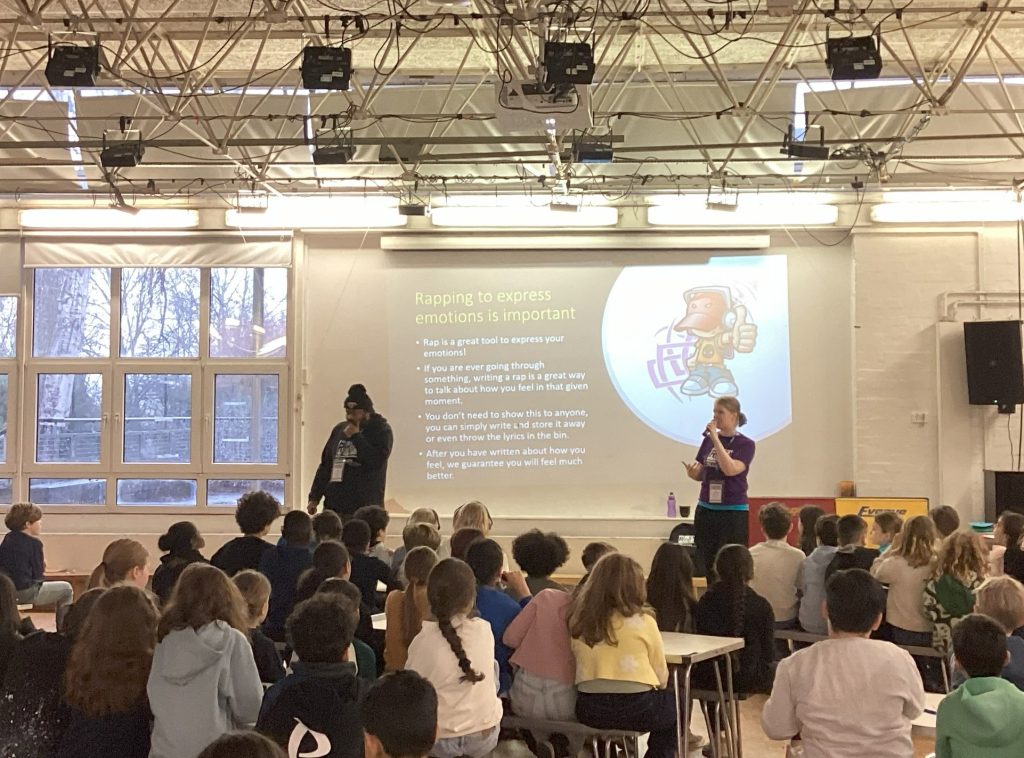
Over the course of this year, we have run a number of assemblies focused on resilience as a core value, highlighting real, everyday examples from staff, parents and our wider community. These stories help children understand that resilience is not about being perfect or never struggling, but about facing challenges and learning from them. If parents or carers would like to share an example of resilience from their own lives or work, we would warmly welcome this as a way of strengthening the partnership between home and school.
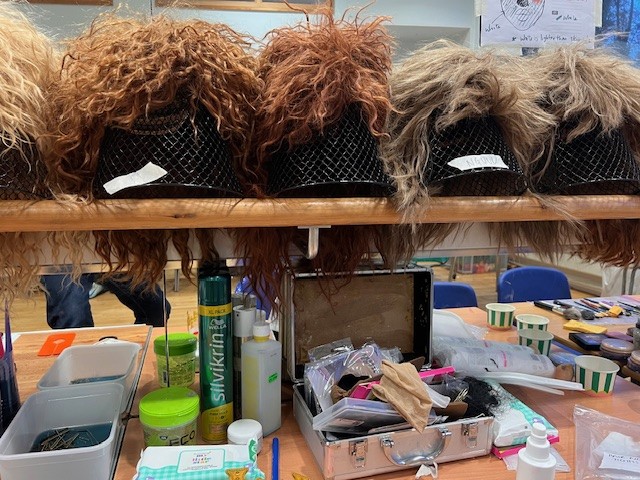
A powerful example of resilience in action at Coleridge is our annual school production, and this year it was The Lion King. Taking part in the school play requires children to step outside their comfort zones: learning lines, remembering choreography, practising songs, managing nerves and working as part of a team. For many children, this involves overcoming self-doubt, coping with mistakes and persevering through rehearsals. The pride they feel when they succeed, whether on stage or behind the scenes, builds confidence, resilience and a strong sense of achievement that carries through into the classroom.
Five simple strategies to try at home to build resilience
(These are approaches we use regularly in school)
- Name and normalise feelings
Helping children put words to emotions such as frustration, worry or disappointment supports emotional understanding and self-regulation. Phrases like “That sounds tricky” or “I can see why you’d feel upset” help children feel heard and understood. - Praise effort, not just outcomes
At school, we focus on effort, perseverance and improvement. Praising how a child tries, rather than just the final result, helps build confidence, resilience and a growth mindset. - Allow safe struggle
Resilience grows when children are given the chance to experience challenge. Giving children time to try things independently, while reassuring them that support is there if needed, builds confidence and problem-solving skills. - Maintain routines and predictability
Clear routines help children feel secure and reduce anxiety, particularly during times of change. - Model resilience as adults
Children learn a great deal from watching us. Talking calmly about mistakes and challenges shows children that setbacks are a normal part of learning and life.
Developing resilience is most effective when home and school work together. By using shared language, consistent approaches and our core values as a guide, we help children feel secure and supported wherever they are. For children at Coleridge, resilience is not about avoiding struggle, but about knowing they are cared for, included and able to overcome challenges.